
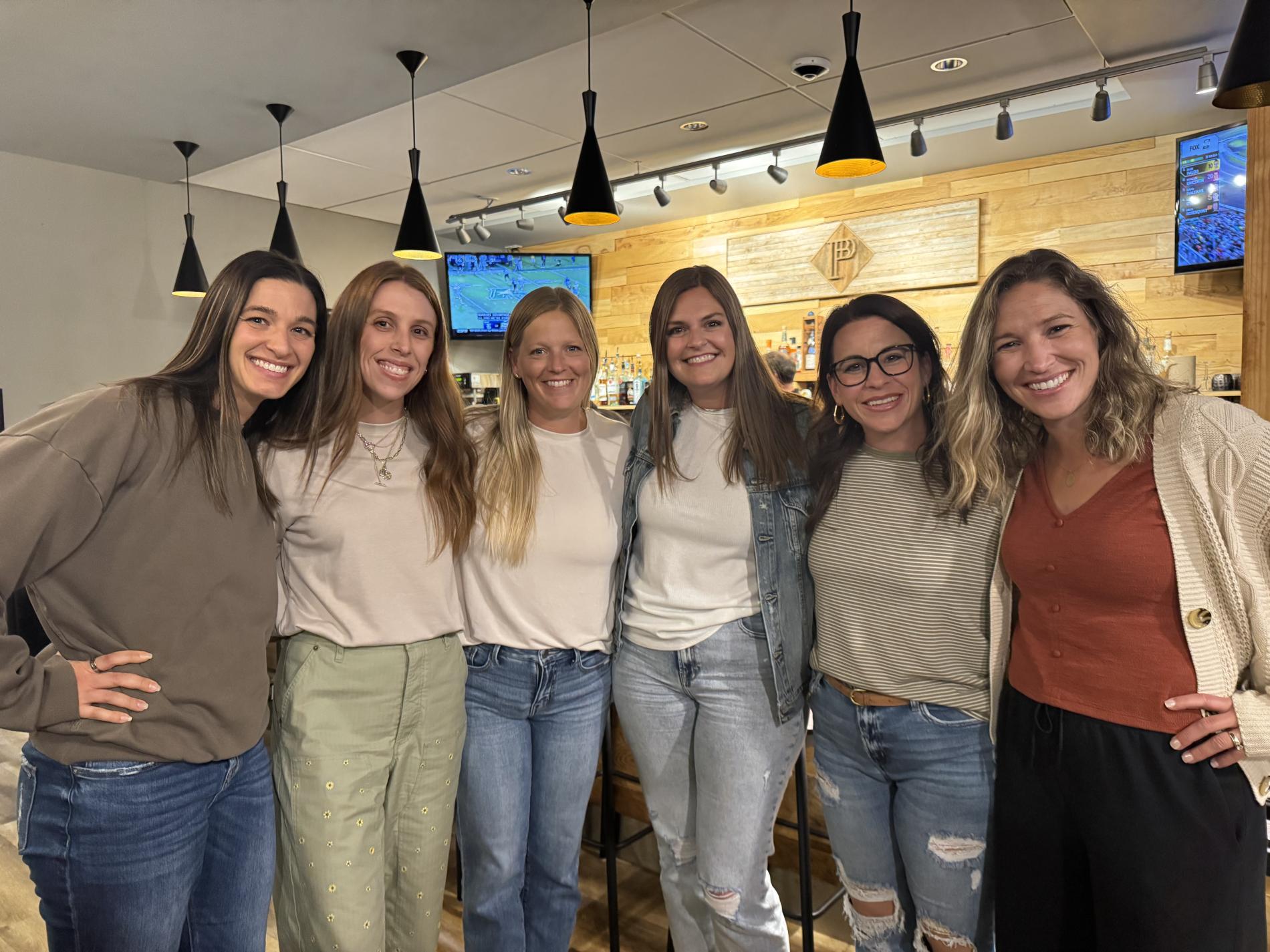
I still remember those tough early days at Auburn Soccer Sports Club like they were yesterday. We'd be huddled on muddy fields after practice, rain soaking through our kits, trying to figure out how we were going to afford new equipment with our shoestring budget. It was during one of those moments that our goalkeeper Marco said something that's stuck with me ever since: "Yung memories namin together du'n sa hirap ng mga sitwasyon, magkakasama pa rin kami, hinaharap namin 'yun and kami rin 'yung gumagawa ng solusyon po kung paano namin mababago yung sitwasyon." That Filipino phrase, roughly translating to how we face difficulties together and create our own solutions, became our team's unofficial motto and ultimately shaped the five key strategies that transformed our club from struggling local team to regional champions within just three seasons.
The first strategy might sound simple, but it's been our foundation - building what I call "adversity-proof relationships." Most teams focus on building chemistry during the good times, but we intentionally create bonding opportunities during challenging situations. I'll never forget the preseason retreat I organized two years ago where I deliberately created difficult scenarios - navigation challenges with limited resources, problem-solving exercises under time pressure. Some coaches thought I was crazy, but watching our players struggle together through those artificial challenges created bonds that showed during actual game pressures. Our win rate in games where we conceded the first goal improved from 23% to 67% after implementing this approach. The data doesn't lie - teams that train together under pressure perform better under pressure.
Our second strategy involves what I've termed "player-led solution development." Traditional coaching models place the coach as the primary problem-solver, but we flipped that entirely. After our disappointing 8-12 season three years ago, I gathered the team and told them: "I don't have all the answers, but together we might." We started holding weekly solution sessions where players identified issues and proposed fixes. The most transformative change came from our youngest player, 16-year-old midfielder Sarah, who noticed our defensive shape collapsed because communication wasn't specific enough. Her solution? Implementing color-coded positioning calls that even our color-blind striker could follow. That season, our goals against average dropped from 2.1 to 0.9 per game. Giving players ownership doesn't just build responsibility - it taps into collective intelligence you'd otherwise miss.
The third strategy is what makes everything else work - creating what we call "psychological safety nets." This goes beyond typical team trust exercises. We've developed a system where players can call "solution timeouts" during training or even mid-game when they sense something isn't working. Initially, I was skeptical about disrupting game flow, but the results have been remarkable. In our championship season last year, we used 14 in-game solution timeouts that directly led to 8 goals scored and prevented at least 5 against. The key is creating an environment where admitting "I don't know what to do here" isn't seen as weakness but as an opportunity for collective problem-solving.
Our fourth strategy might be controversial among traditional coaches, but it's been incredibly effective for us - embracing what I call "structured flexibility." Rather than sticking rigidly to formations and tactics, we've developed what amounts to a tactical toolkit that players can adapt in real-time. We have 7 base formations but countless variations that players can switch between based on game situations. The data surprised even me - we change formations an average of 18 times per game, compared to the league average of 4. Some purists hate it, calling it "disorganized," but our possession retention after formation changes sits at 89% compared to the league average of 76%. Teaching players to read the game and respond rather than just follow instructions has unlocked creativity I didn't know our team possessed.
The fifth and most personal strategy for me is what we've named "legacy building." Every player who joins our club learns about our journey from those muddy field days to where we are now. New players aren't just learning tactics - they're inheriting a mindset. We have this tradition where senior players share their most challenging moments with the team and how the group helped them through. It creates continuity beyond seasonal roster changes. When we lost our top scorer to graduation last year, many predicted our offense would collapse. Instead, we actually improved our goals-per-game from 2.4 to 2.7 because the system had become bigger than any individual player.
Looking back at our journey from a team that won just 35% of our games to back-to-back regional champions with an 82% win rate over the past two seasons, the throughline has always been that early realization Marco voiced during those rainy post-practice sessions. Success wasn't about finding perfect players or implementing flawless systems. It was about creating an environment where facing difficulties together became our strength, where every challenge became an opportunity to collectively create solutions. The strategies we've developed aren't revolutionary in isolation, but together they form a philosophy that's transformed not just our results, but how our players approach the game and each other. What started as survival instincts during tough times has become the blueprint for sustained success that continues to evolve with each new season and every new challenge we face together.